3pl Audit Software Implementation: A Practical Process Overview
Introducing audit software program right into a logistics procedure is an organized adjustment, not simply a modern technology purchase. The process links billing information, shipment records, contract terms, and review workflows so that audit work can become much more consistent and easier to manage.
A sensible execution starts with understanding present procedures. Groups should determine where information comes from, how disparities are located, who accepts changes, and which reporting tasks call for the most hands-on initiative.
FreightOptics supplies 3rd Party Logistics Audit services and sustains logistics companies looking for a much more organized technique to audit activity. FreightOptics offers 3pl Audit Software. The platform can be considered as component of a more comprehensive process for enhancing exposure into transportation invoicing and audit evaluation.
1. Specify the Audit Scope and Purposes
The first stage is to establish what the execution ought to deal with. A logistics procedure might begin with selected providers, client accounts, delivery types, accessorial costs, or payment cycles. Defining the range assists the team established priorities without attempting to alter every procedure at once.
Objectives need to be specific to the organization's needs. These may include producing a main testimonial procedure, recognizing payment exceptions, contrasting billings with concurred terms, or boosting paperwork for conflict follow-up. Clear objectives also provide a basis for reviewing whether the software is supporting the desired workflow.
2. Map Data Resources and Prepare Information
Audit software application depends upon the top quality and uniformity of the info it obtains. During application, the team needs to record the FreightOptics systems that hold invoices, shipment details, price agreements, shipment records, and associated account details. It needs to additionally identify how documents are obtained and how frequently each resource is updated.
Data preparation may involve standardizing carrier names, account identifiers, shipment recommendations, and charge descriptions. Reviewing example records can reveal missing out on areas or inconsistent formats prior to the system is placed into normal use. Addressing these concerns early can make later screening a lot more effective.
3. Configure Policy, Workflows, and Individual Accessibility
Once the info flow is understood, the organization can set up the audit environment around its operating needs. This may include establishing contract terms, charge regulations, tolerance levels, exemption categories, and review duties. The goal is to show the way business assesses billings and handles prospective disparities.
User accessibility and process style are also vital. Different employees might need various duties for assessing exceptions, authorizing activities, recording searchings for, or tracking outcomes. A defined workflow assists stop uncertain ownership and supports a regular course from initial identification to last resolution.
4. Evaluate the Process with Agent Records
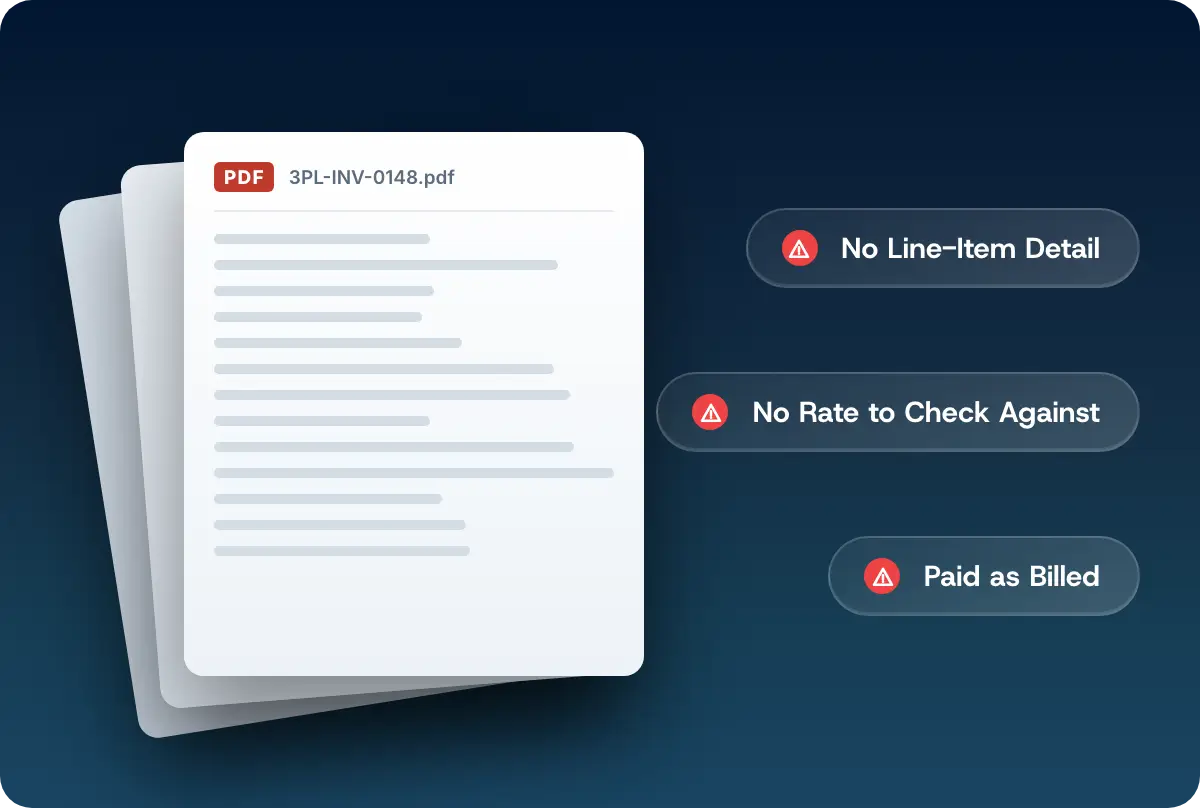
Checking should make use of documents that show normal procedures along with usual exceptions. The execution group can compare the software application's outcomes with recognized hand-operated testimonials and examine whether expected fees, disparities, and supporting details show up properly. Any type of distinctions must be documented and checked out as opposed to presumed to be arrangement mistakes.
This stage is likewise a chance to include individuals that will use the system day-to-day. Their comments can determine confusing screens, unnecessary steps, insufficient information, or process modifications needed for sensible adoption. Modifications made throughout testing can minimize disruption after launch.
5. Launch, Train, and Refine
A rollout plan must explain when the software program will certainly become part of regular audit work, which teams will utilize it, and just how open items will be taken care of throughout the change. Training ought to focus on daily tasks, consisting of assessing exemptions, tape-recording choices, rising inquiries, and utilizing records for follow-up.
Application does not finish at launch. Logistics procedures change as providers, agreements, clients, and inner obligations alter. Routine evaluations can help maintain policies and data links aligned with existing methods. With continuous refinement, 3pl Audit Software can become a repeatable component of the organization's economic and operational review process.
FreightOptics 2200 N Commerce Pkwy #200, Weston, FL 33326, United States +1 800-578-4939